***
Welcome to the Power Writers Report, our weekly update,
packed full of powerful writing tips, productivity tools, platform-building strategies, author best practices, resources, and free stuff.
If
you find this useful, forward it to a friend.
Click
here
to subscribe to the weekly Power Writers Report.
Click
here
to schedule an author strategy session with me.
What Netflix, NASA, and Beyoncé Know About Dreaming
Big (And What You Can Steal Borrow)
Make sure you avoid answering the questions below in your head. Write everything down so you don't forget. Trust me on this!!
Incidentally, I'm engaging in the same process. Already, the dreams Illumify is pursuing in 2026 blow me away. I'm so excited!
1. Netflix: Reinvent Yourself Before You Need To
Long before streaming dominated the world, Netflix mailed
DVDs in bright red envelopes. But they saw what was coming. They dreamed ahead of the curve.
Writers often cling to the way they’ve always done it.
But 2026 might be the year you…
- switch genres
- experiment with a hybrid publishing model (I know a great publisher!)
- discover you’re
actually a phenomenal memoir writer
- build an email list or platform you’ve never dared to start
- or even finally finish your manuscript
Dreaming ahead isn’t predicting the future—it’s creating the one you want.
Ask
yourself:
What part of my writing life needs reinvention before it reinvents me?
2. NASA: Think Past the Launch
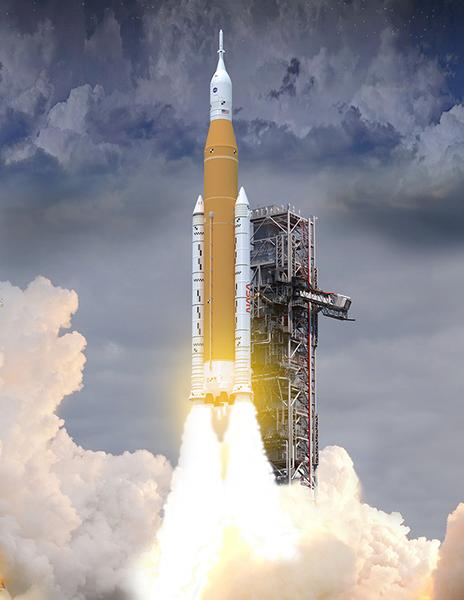
Every mission has a countdown. But NASA never dreams only about liftoff; they dream about
where the mission leads. Artemis isn’t about a rocket—it’s about a moon base, Mars missions, and technologies that don’t exist yet.
Writers often treat “finishing the book” the liftoff.
But your vision board needs to include the world after release:
- Who will this book
help?
- What conversations will it start?
- How will your life look once it’s published?
- Are you building a body of work—not just a single title?
Your book is not the dream.
Your impact is the dream. Isn't that the goal of releasing a transcendent book>
Ask yourself:
If everything goes right, what (or who) does my book change in 2026?
3. George Lucas: Build a World Bigger Than the Story Itself
When
George Lucas released Star Wars in 1977, he wasn’t just making a film. He was building a mythology—a universe filled with archetypes, lore, visual language, moral tension, and a sense of destiny. It was a world people wanted to live in, not just watch.
I literally walked out of the theater with my eyes closed, trying to sense “The Force.”
And that’s why it exploded into something far beyond a movie: novels, TV series, comics, games, theme parks, conventions, and a cultural vocabulary we still use today.
Lucas didn’t create “content.”
He created a universe that readers, viewers, and fans could inhabit.
As a writer, you can do the same.
Even if you’re writing nonfiction, you’re still creating a world—a place where your reader is guided, challenged,
comforted, transformed. Your tone, your message, your stories, your chapter flow, your author voice… all of it creates an environment your readers step into.
For 2026, ask yourself:
- What emotional or intellectual world does my book invite people into? Author Donald Miller would rephrase this to say, "What story are you inviting your readers in
to?")
- What values or themes define that world?
- How will readers feel after spending time in it?
- What could expand from it—workshops, talks, a series, a movement?
Ask yourself:
What world am I building in 2026—and how big am I willing to let it become?
This isn't woo-woo, this is the act of taking off those myopic glasses that limit the possibilities of your book!
4. Vision Boards Work Because Your Brain Believes Pictures More Than
Words
This is straight from neuroscience: your brain struggles to distinguish vividly imagined events from real ones. When you create a visual map of your goals, your brain begins problem-solving as though those goals are already in motion.
So
yes—vision boards aren’t woo-woo.
They’re neurological strategy.
Your 2026 author vision board should include:
- Images of what success looks like (speaking gigs, bookstore displays, retreats)
- Words that define your author identity (confidence, clarity, generosity,
discipline)
- Milestones you want to hit (draft complete, editor hired, launch date set)
- Emotions you want to feel (peaceful, energized, proud, purposeful)
This isn’t fantasy. It’s planning disguised as dreaming.
5. The Secret Ingredient: Bold Dreams Require Bold Permission
And here’s the truth: most writers don’t fail because the dream is too big.
They fail because the perceived permissions they need are too small.
You don’t need a publisher to validate you.
You don’t need 10,000 followers to begin.
You don’t need a perfect outline or a clear genre or a marketing plan that would impress a venture capitalist.
You need to say:
“I’m going.”
READ. THAT. AGAIN!!
Schedule your vision boarding into your calendar TODAY. Carve out a block time at a location where you can focus without distractions. Drink that pumpkin latté to get the creative juices flowing and
DREAM.
Your Move: Build Your 2026 Vision
Before Someone Else Builds It for
You
Your voice carries more depth, more wisdom, and more resonance than ever.
2026 is not something to stumble into.
It’s something to shape.
Imagine the book you’ll finish.
The readers you’ll reach.
The impact you’ll make.
The world you’ll build.
The rocket is
on the pad.
The countdown has already started.
And if you want help dreaming boldly—and publishing wisely—I'll help you make it happen.
👉 Schedule an appointment with me by clicking
below: